

Anna Grigoryan new representative of the EPS Young Minds in EPJ Scientific Advisory Committee (SAC)
- Details
- Published on 24 March 2026

The Steering Committee of EPJ is delighted to welcome Anna Grigoryan, as the representative of the EPS Young Minds which joined the Scientific Advisory Committee two years ago. She is replacing Carlos Damián Rodríguez Fernández.
The scientific community is pleased to highlight Anna Grigoryan, a PhD student and researcher in experimental nuclear physics at the A.I. Alikhanyan National Science Laboratory (Yerevan, Armenia), where she works within the Experimental Physics Division. Anna is currently pursuing her PhD, focusing on nucleon structure and spin phenomena in semi-inclusive deep inelastic scattering. Her research is centered on the study of dihadron production and beam-helicity asymmetries using data from the HERMES experiment at DESY, contributing to a deeper understanding of the three-dimensional structure of the nucleon. She is a member of the Structure and Spectroscopy of Hadrons Project (SHARP) COST Action, as well as a member of EPS Technology and Innovation Group (EPS TIG). In addition to her research activities, Anna Grigoryan is actively involved in scientific outreach and community leadership. She is a member of the EPS Young Minds Action Committee and has contributed significantly to the organization of international masterclasses and physics events in her local institution, promoting education and engagement in particle and nuclear physics.
Farewell Antonino Zichichi
- Details
- Published on 18 March 2026
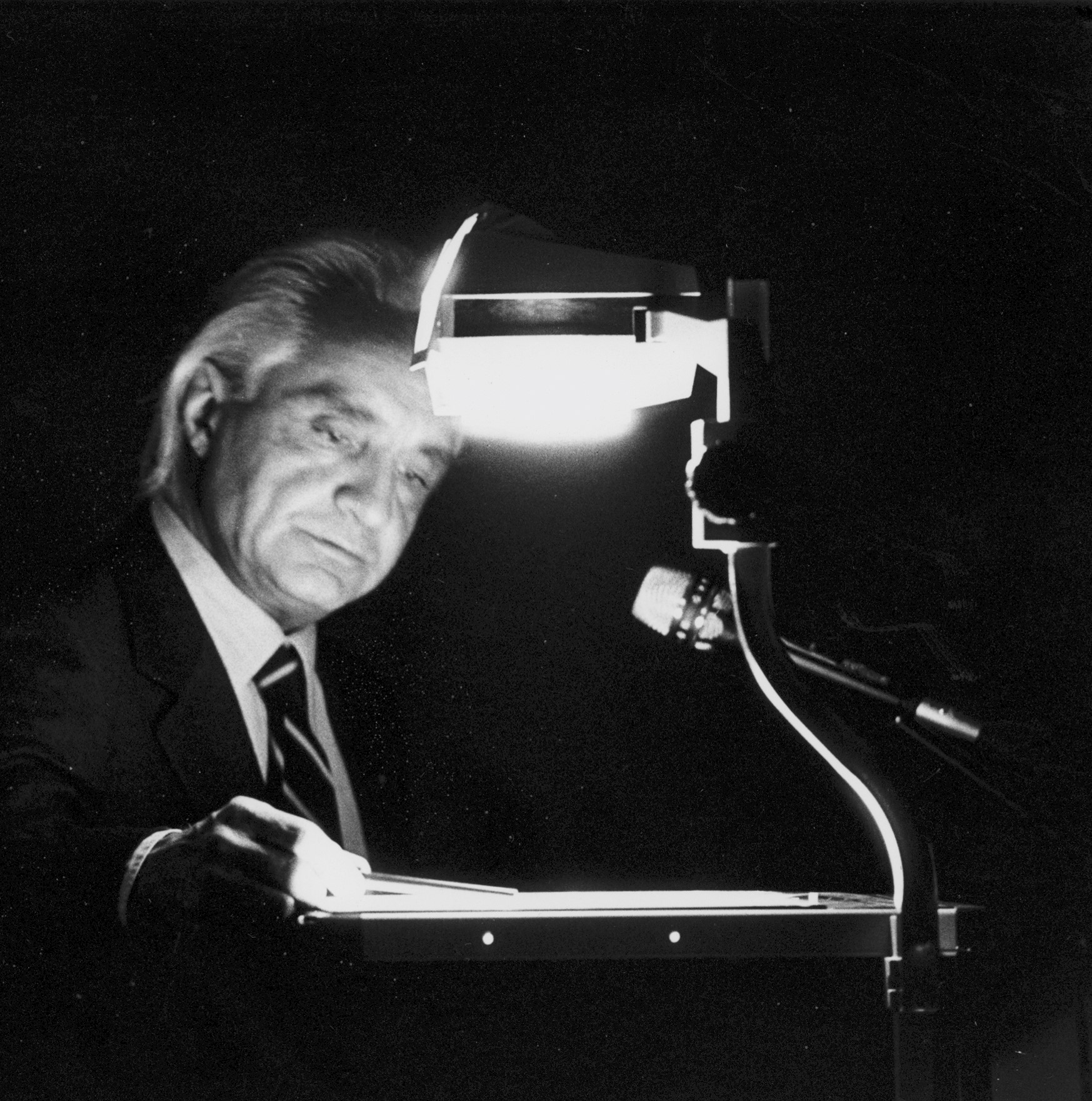
Professor Emeritus at the University of Bologna, Member of the Pontifical Academy of Sciences, the Academia Europaea and the Academy of Sciences of the Institute of Bologna, and founder of the "Ettore Majorana" Centre for Scientific Culture in Erice, he held numerous prominent roles in the international scientific community. These included President of the Italian National Institute for Nuclear Physics (INFN), the "Enrico Fermi" Historical Museum of Physics and Study and Research Centre, the European Physical Society, the World Federation of Scientists, and the World Laboratory. For the full obituary we refer to Antonino Zichichi (1929-2026).
When in 1999 Zeitschrift für Physik A and C as well as Il Nuovo Cimento A merged to form The European Physical Journal A and C (EPJA and EPJC), Prof. Zichichi became Editor-in-Chief of EPJC alongside Peter Zerwas and Dieter Haidt. He promoted the new journal, in particular to young scientists at the occasion of the Young Talent Sessions at his Erice schools, and pioneered together with his co-Editors-in-Chief the introduction of “scientific notes” as article type for experimental groups to bridge the gap between the final years of LEP and the uptake of LHC operations.
Luisa Cifarelli & Dieter Haidt
Igor Jex joins the EPJ Scientific Advisory Committee (SAC)
- Details
- Published on 03 March 2026
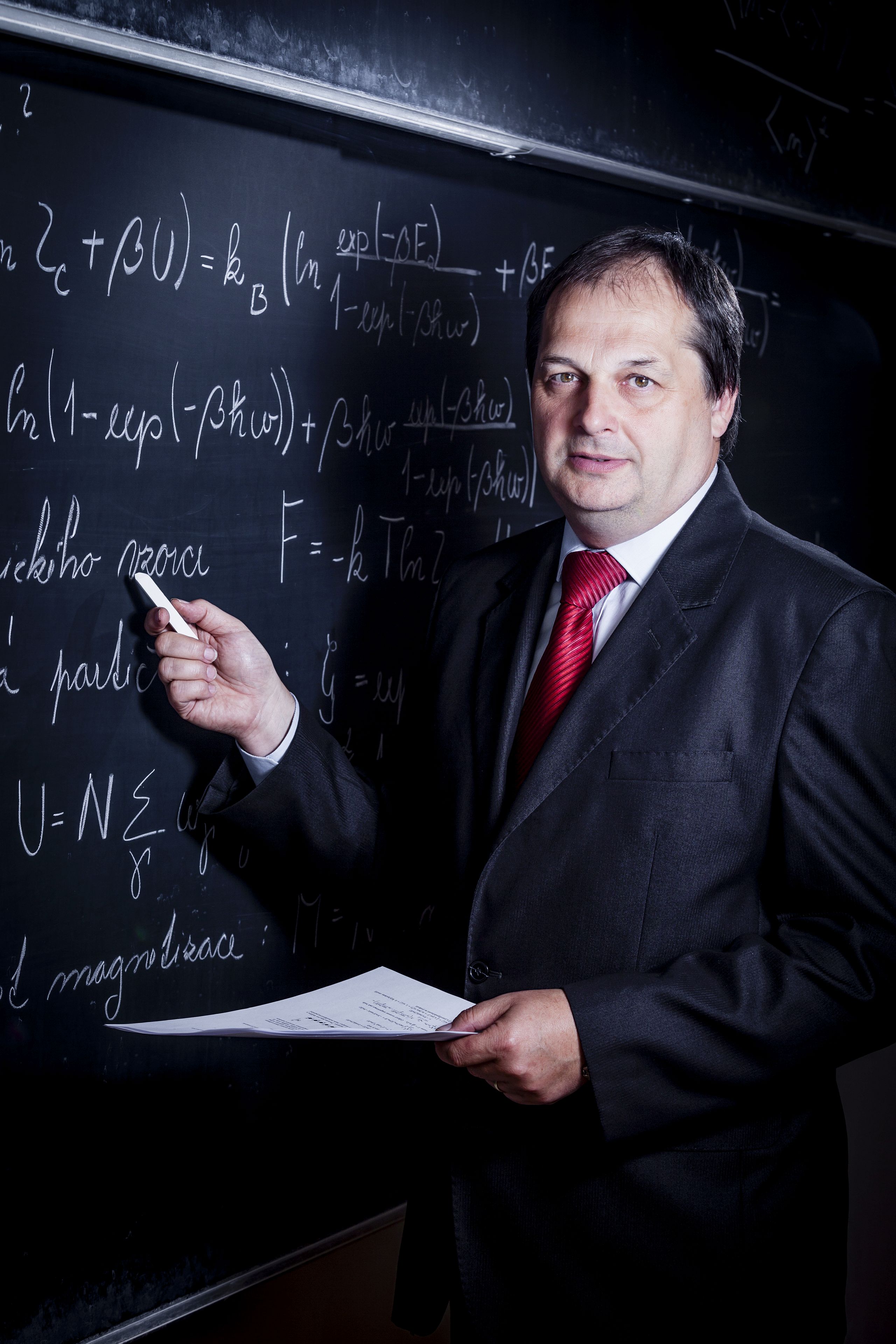
The Steering Committee of EPJ is delighted to welcome Professor Igor Jex, as the new representative of the Czech Physical Society.
Igor Jex is Professor at the Czech Technical University in Prague, Faculty of Nuclear Sciences and Physical Engineering, fellow member of Institute of Physics (Bristol), Optical Society of America and Academiae Europeae. His expertise covers a broad range of topics from quantum optics to quantum information processing. In the last years, his theoretical work focused on open systems dynamics, Gaussian boson sampling, quantum walks application of optical networks. Some of his theoretical suggestions lead to experiments. He is interested also in philosophical implications of physics.

